When homesickness becomes constant: a therapist's guide for NRI Malayali moms
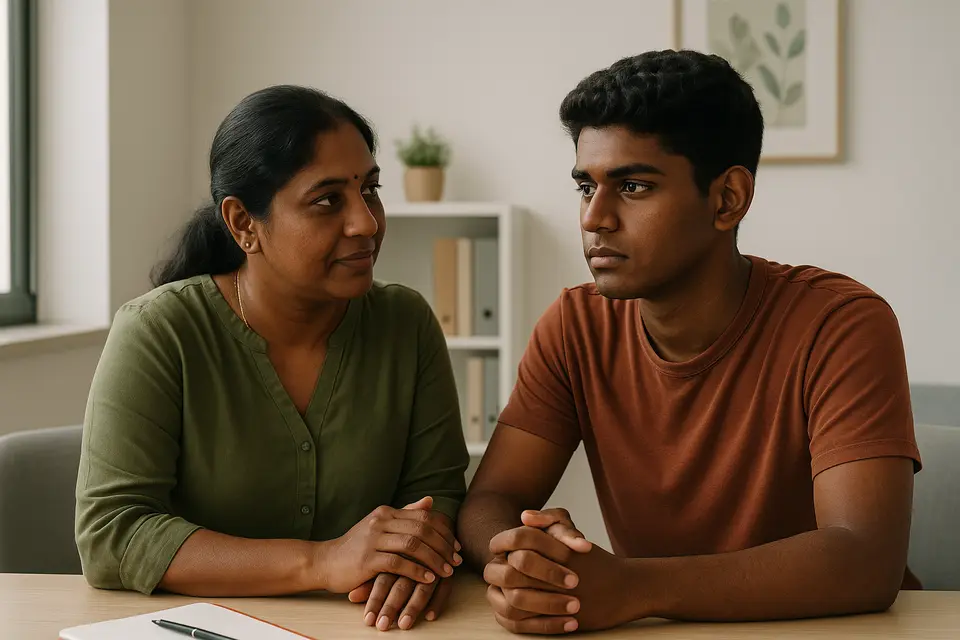
Feeling Lonely As An Nri Malayali Mom Counselling Can
You left Kerala for a chance at a future that looked promising. Maybe it was your partner’s job, a new career, or schooling for the children. On paper, life appears to be on track: a tidy home, children at school, a routine. Yet some evenings feel quietly heavy. Small things — a festival without family, a meal that tastes 'off', a phone call missed because of time zones — can open the same ache again.
I write as a therapist who has worked with many first‑generation NRI parents. Think of this as a calm, grounded conversation about what this loneliness often feels like, how it shows up in your body and routine, practical steps you can try, and when it may be time to reach out for professional support. One clear boundary first: this is educational material, not a personal diagnosis. If anything in this piece raises concerns about your safety, please contact local emergency services or a crisis line.
What this loneliness often means
Loneliness in the NRI Malayali mother I meet is rarely just one thing. It often carries several layers. There is the practical loss — the daily help of grandparents, cousins dropping by with food, familiar neighbourhood rhythms. There is cultural distance — rituals, language textures, humour and references that don’t translate easily. And there is the private grief of identity shifts: the quiet feeling that some parts of you are staying behind while new roles arrive.
Sometimes loneliness looks like nostalgia: a warm, bittersweet longing for a remembered smell or festival. Other times it can feel like emptiness, a low energy that lubricates irritability and fatigue. It can hide beneath small, everyday choices: cancelling a social plan, turning down an invitation, or repeatedly scrolling through family photos late at night.
Counselling can help in different ways. For some, it is a space to name the losses and grieve them. For others, it is a place to try new ways of creating connection or to learn about anxiety and mood patterns tied to isolation. Therapists who understand Malayali culture and the NRI experience — and who can offer sessions at times that fit your time zone — often make it easier to talk about certain family expectations or unmet needs.
Common triggers and body–mind signs
Triggers are often ordinary moments. Missing a wedding or a funeral back home can reopen a wound. A supermarket that doesn’t stock what you grew up with might make you notice how different daily life is. School events where you feel culturally out of step can leave you wondering where you belong.
The body and mind usually give early signals. Watch for patterns rather than single bad days. Physically, you may notice persistent tiredness, changes in appetite, headaches, or tightness in the neck and chest. Emotionally, there may be frequent tearfulness, irritation, or a sense that you are not fully present. Cognitively, difficulties with concentration, replaying conversations from home, or repetitive self‑blame are common signs.
Loneliness often sits with anxiety — worries about your children’s cultural identity or about aging parents — and it can coexist with low‑grade depression: reduced interest in hobbies, social withdrawal, or trouble sleeping. If sleep, appetite, daily routines, or your ability to care for yourself change for several weeks, that is a practical reason to consider professional support.
Grounding and coping tools for difficult moments
When loneliness feels sharp, short grounding practices and tiny rituals can ease the intensity. These are not cures, but they can help you move through hard moments and reduce the immediate distress.
Bring attention to the present. A simple sensory exercise — name five things you can see, four you can touch, three you can hear, two you can smell, one you can taste — can quietly shift panic or overwhelming nostalgia into the present. Breathing helps too. Slow, diaphragmatic breathing for a few minutes reduces agitation and sometimes brings clarity.
Movement changes chemistry. A short walk, a few rounds of gentle yoga, or dancing to a familiar Malayalam song for five minutes can alter mood. Movement doesn’t need to be strenuous; it only needs to be enough to break a pattern of sitting with painful thoughts.
Create tiny cultural anchors at home. Play a Malayalam song while you cook; keep a small brass lamp, a childhood photograph, or a spice you grew up with in easy reach — things you can touch or smell. These acts reconnect you to identity in manageable moments rather than waiting for large events.
Structure your connections. Instead of leaving calls to chance, try a predictable rhythm: a short weekly voice note to your mother in the evening IST, or a scheduled 20‑minute call that respects both time zones. Rituals like these reduce the decision fatigue of whether to reach out and provide emotional containment.
Micro‑story: Maya moved to Singapore with two children. On days when homesickness rose, she started a 7 pm IST ‘‘prayer check’’ with her mother — five minutes of shared silence and a short conversation. It didn’t remove the ache, but that daily pause became a tiny seam of comfort and helped her sleep.
What usually helps in real life
Sustained relief tends to come from small, consistent changes rather than dramatic transformations. Three areas often make a difference over time: rebuilding a close network, creating cultural routines, and strengthening day‑to‑day self‑care.
Rebuilding a network does not mean collecting many acquaintances. One or two dependable relationships — a neighbour, a fellow Malayali parent, or a friend from a cultural group — often matter more. These are people who will notice if you are quieter than usual and who can offer practical help or a listening ear. Look for groups where people already know each other’s rhythms, such as playgroups, temple gatherings, or language classes. If in‑person options are limited, small online groups that meet regularly can be a bridge.
Cultural routines at home can be restorative for you and meaningful for your children. Small, repeatable activities — a weekly Malayalam storytime, cooking a family dish on Sundays, or a monthly prayer or song circle — create continuity. These do not have to replicate Kerala exactly; the aim is to offer familiar sensory and emotional cues that remind you of home.
Daily basics are not optional. Sleep hygiene, gentle movement, and modest nutritional routines support mood and energy. Lonely people often let these slip because the motivation is low. Treat them as small experiments: choose one routine to protect this week, such as a 20‑minute morning walk or a consistent bedtime.
Therapy and cultural fit matter. If speaking Malayalam or discussing Malayali family expectations feels important, ask potential therapists about language and experience with diaspora families. Teletherapy makes it possible to work with therapists in India or elsewhere who can empathise with those cultural dynamics. When you contact a therapist, it’s reasonable to ask about their experience with NRI clients, their typical session times (so you can align with your local hours), and how they handle emergencies.
Micro‑story: Rekha, a stay‑at‑home mother in London, spent weeks watching a Malayali women’s WhatsApp group without joining. When she finally suggested a low‑effort backwater‑style picnic for Diwali, three families came. It didn’t erase homesickness, but she left with people who now call and check on her.
Practical tips for diaspora‑friendly counselling
Scheduling is often the first practical barrier. Many therapists based in India offer evening slots that align with mornings or afternoons abroad; likewise, therapists abroad may accommodate later hours. Ask about flexible scheduling and whether sessions can be moved when travel or family needs change.
Language is another practical detail. If you prefer Malayalam or a bilingual space, request that when you reach out. Cultural fit is not mandatory for everyone, but when it’s important, it speeds trust.
Privacy and licensure matter, too. If you choose a platform or a therapist in another country, ask how your information is stored and protected. Ask clinicians about their registration or licensing and their process for managing emergencies, particularly if they are licensed in a different country than where you live. It’s reasonable to ask a therapist, ‘‘How would you help me if I felt unsafe between sessions?’’
Try the first few sessions as a trial. It’s normal to try a therapist for a handful of sessions to see if the style, timing, and cultural understanding fit. Good therapy is collaborative: you should feel your concerns are heard and that you can discuss cultural specifics without needing to explain everything from scratch.
When to seek professional support
Counselling is a practical next step if loneliness persists or starts to affect your functioning. Consider contacting a mental health professional sooner if you notice ongoing changes in sleep, appetite, energy, or concentration; if you withdraw from activities you once enjoyed; or if strong hopelessness or panic begins to interfere with daily life.
If you experience thoughts of harming yourself, seek immediate help from local emergency services or crisis lines. If you are outside India and unsure whom to call, local hospitals can direct you to crisis services. Teletherapy and in‑person therapy can both help, but if symptoms escalate or you feel unsafe, urgent medical assessment may be needed.
Remember: counselling is a supportive, practical step. It is not a substitute for emergency medical care or a guarantee of quick fixes. If medication or specialized psychiatric care may be needed, a clinician can discuss these options with you.
Media, groups, and small experiments to try
Short, Malayalam‑led guided meditations, therapist talks about homesickness, and parenting channels that recognise bicultural identity can be useful between sessions. Look for brief practices — five to ten minutes — that fit into a child’s nap or a quiet evening.
Local groups often include temples, cultural associations, women’s circles, or parenting meetups. Online, search for city‑specific Malayali parent groups or moderated forums. Observe first; many groups have different tones and expectations, and it’s fine to step back if one does not feel right.
Try one small experiment this week. Play a Malayalam song while you cook. Send a five‑minute voice note to a relative. Suggest a low‑effort cultural meet‑up. Small actions rarely remove the whole ache, but they begin to change the circuitry of your days.
Closing thoughts
Feeling lonely as an NRI Malayali mother is an honest and understandable response to loss, change, and cultural distance. It does not mean you have failed. Over time, small, consistent acts — cultural rituals, one or two dependable relationships, and attention to basic self‑care — often soften the ache. When the loneliness becomes heavy or interferes with daily life, counselling that understands your cultural world can be a compassionate and practical step.
You do not have to carry this alone. Even one conversation in which you feel heard can change the tone of a week. If you are unsure where to start, try one small ritual this week and notice what shifts. And if ever you feel unsafe, reach out to emergency services immediately; that step is essential and appropriate.
If you need relationship support now
Pick the option that best fits what you are facing in your relationship today:
More support options are available at the end of this article.
References
 AI
AIBook a counsellor, or talk to Aasha
Book a session with a licensed counsellor. Aasha is free if you just need to talk right now.