Can I see a virtual therapist in another state? A clear, India-focused guide
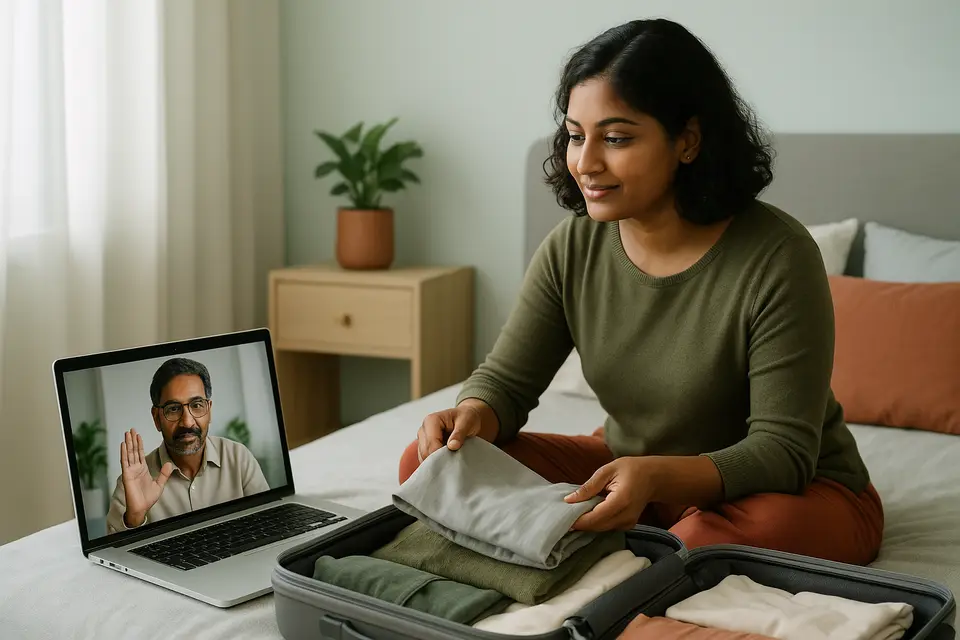
Can I See A Virtual Therapist In Another State
You moved cities, started a new job, or prefer a therapist who understands your language and culture — but they live in a different Indian state. Can you keep working with them over video or phone? Often, yes. But there are clinical, legal and safety details worth checking so care stays effective and responsible.
I write this as a practising clinician: calm, practical and grounded in the realities clients bring. This is educational information — not a diagnosis or emergency plan. If you are in immediate danger or having thoughts of harming yourself or others, contact local emergency services or go to the nearest hospital right away.
What the question really means
At its most basic the question asks whether a clinician who is physically registered and based in one Indian state can provide teletherapy to a person who is currently located in another state. There are overlapping concerns here: legal permission to consult, whether certain medications can be prescribed remotely, how emergencies would be handled, and whether the therapeutic relationship will remain helpful when the clinician is not nearby.
Why does this matter? Therapy depends on trust and continuity. Losing a trusted clinician because you moved can feel destabilising. But keeping a clinician across state lines also changes responsibilities on both sides: your therapist needs a clear plan for safety and for any treatment decisions that require in-person care, and you need to know what to expect from remote work.
{{placement:psychiatrist}}
Why people ask this — everyday reasons
People ask this for practical reasons: relocation, study, specialist needs, language and cultural fit, or privacy. A student studying away from home might prefer a counsellor who speaks their mother tongue. Someone seeking a specific therapy approach may find an expert in another city. In smaller towns, people sometimes choose an out-of-state clinician for greater anonymity.
A short example: Rina moved from Bengaluru to Chandigarh for work. She and her psychologist continued sessions by video. They kept the same rhythm and goals, adjusted appointment times, and planned local steps for any emergencies. That continuity helped Rina manage the stress of the move.
The legal and professional landscape in India — what usually applies
India has telemedicine guidance that shapes how remote medical consultations are carried out, and there are operational guidelines specific to telepsychiatry that many clinicians follow. In practical terms, psychiatrists (medical doctors) should be registered with the National Medical Commission or the relevant State Medical Council. Clinical psychologists ordinarily register with the Rehabilitation Council of India (RCI). Counsellors and therapists may work under different frameworks depending on their qualifications and the setting.
It is reasonable and appropriate to ask any clinician whether they accept clients who are located in your state and which professional body they are registered with. A responsible clinician will explain their scope of practice and any limits — including what they cannot legally do by teleconsultation.
A few points to keep in mind: prescribing rules can limit what medications are started or renewed remotely; certain medications, especially controlled substances, often require an initial in-person assessment or may be managed differently by different clinicians. Different professions have different regulatory expectations. If something about prescribing, licensing or scope feels unclear, ask the clinician directly or ask for a short written summary of their policies. Transparency protects both of you.
Practical steps to take before your first cross-state session
Start with a few direct questions. Who are you speaking with (full name, qualifications, registration number)? Which professional body oversees their work? Do they accept clients in your state? What platform will you use and how will privacy be protected?
Discuss prescribing up front. Ask what types of medications they can manage remotely and whether an initial or occasional in-person review will be needed. If medication management is central to your care, consider whether you also want a local doctor who can provide hands-on monitoring and prescriptions when required.
Plan for emergencies. Ask how your clinician would respond if you were in crisis during or between sessions. Work together to identify local supports — a nearby hospital, emergency number, trusted family member or friend, or a local mental health service. Having a concrete, local safety plan is essential when your therapist is not in the same city.
Also agree practical matters: session frequency and length, how to contact each other between sessions (if at all), fees and cancellation policies, how records are stored, and what confidentiality means for teletherapy. Finally, do a short orientation session to test audio and video and to decide whether video, phone or secure messaging feels best for you.
How to structure sessions and communication across states
Therapy works best when both people set clear boundaries and expectations. In the first few sessions, agree how often you will meet, whether you want brief check-ins between sessions, and how quickly the therapist will respond to urgent messages. Some clinicians offer short, scheduled check-ins by secure message; others limit contact to preserve clear therapeutic boundaries.
Use practical tools to keep continuity: brief written session summaries, shared homework via secure apps, or a simple progress tracker. If your work or family schedule affects availability, be upfront. Scheduling that respects your day-to-day rhythm increases the chance you’ll keep appointments and make steady progress.
Consider confidentiality and privacy in your setting. Choose a private, quiet spot for sessions, use headphones if possible, and ensure you have a reliable internet connection. If privacy is a concern where you live, ask your therapist for alternative options like phone-only sessions or scheduled times when the household is quieter.
A second example: Arjun, an IT lead in Pune, worked with a Chennai-based specialist who understood workplace burnout. They met early in the morning before his meetings. Short written follow-ups helped the clinician track small workplace changes Arjun was testing between sessions.
What usually helps when therapy crosses state lines
Continuity often matters more than geography. If you already trust a therapist, preserving that relationship may save emotional energy and allow you to build on earlier work. Clear agreements about emergency procedures, confidentiality and limits to remote prescribing also help people feel secure.
Local backup is important. Even excellent teletherapy benefits from having a local GP, counsellor or emergency contact who can provide in-person support when needed. Small practical arrangements — a quiet room, stable internet, and predictable appointment times — make sessions feel safer and more contained.
Therapist flexibility often makes a big difference. Many clinicians adapt appointment times or offer brief interim messages to bridge gaps. That flexibility, combined with clear structure, typically produces steady work.
{{placement:therapy}}
When to prefer in-person care or seek immediate help
Remote therapy is not always the best choice. You should consider in-person care if you or someone you care about is repeatedly thinking about suicide, has made recent attempts, is experiencing signs of psychosis (for example persistent hallucinations or severe disorganisation), needs medically supervised detox for substance dependence, or requires a physical examination to assess medication side effects.
If you are in immediate danger or at risk of harming yourself or others, call local emergency services or go to the nearest hospital right away. If you are unsure which number to call, ask a neighbour, family member or your workplace to help you connect with local emergency services. Teletherapy cannot replace urgent, in-person medical care.
A short safety example: when a client began describing intense suicidal thoughts during a late-night video session, we stopped the work, confirmed their exact location, contacted a named local support person and directed them to the nearest emergency service. That kind of concrete, local plan is why early discussion of emergencies matters.
A brief practical checklist to review together
Before committing to cross-state teletherapy, confirm the clinician’s professional registration and scope; discuss and sign informed consent for teletherapy that explains confidentiality limits; agree a local emergency plan naming nearby resources and contacts; clarify medication rules and whether in-person reviews are occasionally required; test your device, internet and a private space for sessions; and be clear about fees, cancellations and how records will be kept. These steps reduce uncertainty and help both of you work safely.
Other, unrelated uses of the word "virtual"
You may encounter "virtual" in other contexts — virtual court hearings, virtual backgrounds on video calls, or the technical use of virtual in programming languages like C#. Those civic and technical uses are separate from teletherapy, though they share the broad idea of services or experiences that happen without physical presence. For civic processes such as e-challan payments or virtual court options, use official state portals rather than third-party apps.
Final reflections — how to decide for yourself
Ask yourself a few honest questions: is this relationship helping me? Can my clinician legally and safely continue my care from another state? Do we have a clear emergency plan and a local backup? If the answers are mostly yes, continuing remotely can preserve helpful continuity. If the answers point to gaps, a planned, therapeutic transition to local care can itself be useful work.
Therapy — remote or in-person — rests on clarity, safety and shared goals. Keep notes, keep conversations direct, and make sure there is a local safety plan. If you ever feel your safety or care is compromised, seek in-person assessment immediately.
This information is intended for education and planning. It does not replace medical advice. If you have urgent mental health needs, contact local emergency services or a nearby hospital.
If it helps, bring this guide to your clinician as a starting checklist for discussing cross-state teletherapy. Small, clear plans make remote care feel human and dependable — even when state lines separate you.
{{placement:assessment}}
References
 AI
Book a counsellor, or talk to Aasha
Book a session with a licensed counsellor. Aasha is free if you just need to talk right now.