Can I Get A One-Time Online Therapy Session
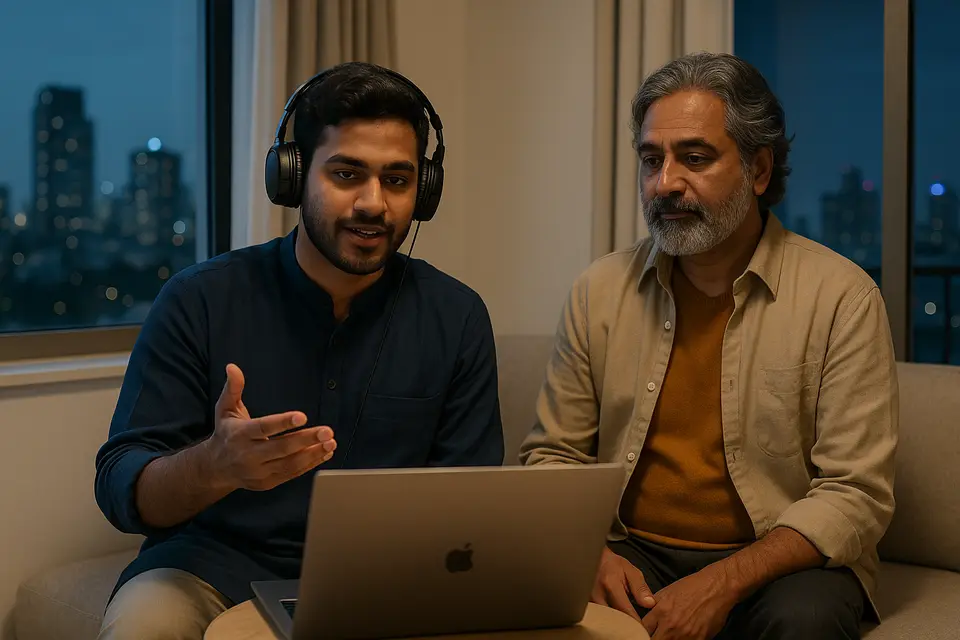
Can I Get A One-Time Online Therapy Session
Thinking about booking a single online therapy session? Maybe you want a quick plan before an important conversation, tools to calm immediate anxiety, or a clearer sense of whether you need ongoing support. From the therapist’s chair: a one-time appointment can be practical, focused, and surprisingly useful — if you enter it with a clear goal and realistic expectations.
What a "one-time online therapy session" usually means
A one-time session is a single, scheduled meeting with a qualified mental health professional delivered by video, phone or secure chat. People use it for a focused problem-solve: learning a breathing or grounding routine, rehearsing a difficult conversation, creating an immediate safety plan, or getting a triage opinion about whether to pursue longer-term therapy.
It can often reduce acute distress and give you concrete steps to try. But it is not a substitute for ongoing therapy when difficulties are long-standing, complex, or rooted in trauma. A single session rarely includes a full diagnostic assessment; think of it as targeted care rather than a comprehensive treatment package.
A small micro-story: Neha, a junior lawyer in Pune, booked a one-off session the night before an appraisal. She left with a short breathing routine and a brief script to use in the meeting. That evening she felt steadier and could speak more clearly.
{{placement:psychiatrist}}
Why people choose a single session (everyday reasons)
Why reach out for just one meeting? Sometimes the timing is practical: an exam, a job interview, or a family conversation is coming up and you want a concise plan. Sometimes people want to test what therapy feels like before committing. And sometimes immediate symptoms — panic, insomnia, or intense worry — feel urgent enough that a single, focused contact helps.
In India, local factors often shape what brings someone to therapy: family expectations, exam stress, workplace pressures, or changes in living arrangements. For many, confidentiality concerns in joint households matter as much as the clinical issue itself.
Another micro-story: Rajesh, an IT consultant in Bengaluru, used one session to practise asking his elder sister for more private time after she moved back home. They role-played a short, respectful script. The rehearsal reduced his fear and he managed the conversation the next day.
How to book, prepare, and make a single session count
A short appointment is most effective when it’s focused. Start by naming a single, concrete goal. Do you want a safety plan, a breathing routine for panic, help with language for a difficult conversation, or a referral to a specialist? Write that goal down in one sentence.
When you contact a clinician or platform, ask practical questions: the session length (commonly 30–60 minutes), whether the meeting will be by video, phone or chat, their fees, cancellation policy, and language of therapy. It’s reasonable to ask whether the clinician has experience with brief interventions or with the specific issue you’re facing.
Prepare a brief timeline of what led to the problem: recent events, how long symptoms have lasted, and any medications or physical health concerns. Keep the timeline short — a few bullet points or a one-paragraph note — so the session can focus on action.
Privacy matters. If you live in a crowded home, consider stepping into a parked car, taking a short walk for a phone call, or using headphones and sitting with your back to a wall for video. Test your device and internet 10–15 minutes before the appointment so technology does not steal your calm.
At the start of the session, it is perfectly fine to say: "I have one session and my main goal is..." That helps your clinician prioritise and keeps the meeting practical. If you’d like, ask at the end for a short written summary of the plan or a follow-up contact option.
What therapists often do in a single session
When time is limited, clinicians tend to focus on practical, transferable steps you can use right away. Common approaches include brief problem-solving, a safety or coping plan, grounding or breathing techniques for panic, cognitive reframes to test a couple of unhelpful thoughts, and role-play to prepare for a difficult conversation. The therapist may offer short behavioural experiments you can try in the next few days.
If safety concerns arise — for example, recurring thoughts of self-harm — the clinician will typically work on a clear, immediate safety plan and discuss urgent supports. If ongoing therapy looks advisable, the session will often end with information about next steps and referrals.
These are not deep, multi-session therapies; they are targeted tools. For many people, learning and practicing one small skill — a breathing routine, a script, or a safety checklist — leads to immediate relief and increased confidence.
Practical follow-up: what to do after the session
After the meeting, write down the specific steps and any suggested practice. Try one small action in the next 24–72 hours and observe what changes. Treat the suggestion as an experiment rather than a test of your worth.
If the session points to longer-standing issues, ask the clinician about short packages, sliding-scale options, or referrals to specialists. Sometimes a single session reveals that ongoing work would be more helpful — that is useful information, not a failure.
A final micro-story: A student in Delhi used a one-time session to address exam insomnia. The clinician suggested a two-week sleep routine and a short daytime worry period. After two nights of trying the steps, the student noticed falling asleep more easily and felt less anxious at night.
When a single session is not enough — clear signs to seek ongoing support
A one-time visit can help, but consider ongoing care if symptoms continue to interfere with work, studies, relationships or daily functioning; if panic attacks recur; if low mood persists; if sleep problems remain severe; or if thoughts of harming yourself or others occur repeatedly. If you are in immediate danger or feel you might act on suicidal thoughts, seek urgent help — in India you can dial 112 or go to the nearest hospital emergency department.
Remember: this content is educational and is not a diagnosis. If you are worried about your mental health, a licensed clinician can provide a personalised assessment and treatment plan.
{{placement:therapy}}
Privacy and practical realities in India
Confidentiality is often a practical challenge in many Indian homes. Thin walls, shared rooms and extended families can make private conversations hard. Consider solutions that fit your context: schedule sessions when others are out, use headphones, or take a short private walk for a phone call. A neutral reason like "I have an online meeting" can help preserve privacy when needed.
If you’re in a situation with control or safety concerns, tell the clinician at the outset. Therapists can adapt: using audio-only calls, agreeing on what is and isn’t recorded, offering text code-words, or helping you plan safe steps if someone might overhear. These adjustments are part of trauma-informed, practical care.
On record-keeping: clinicians in private practice usually keep clinical notes. If you’re concerned about who may access them, ask how notes are stored and whether transcripts are kept. You can request limits on sharing if that is clinically appropriate.
Digital safety: choosing platforms and protecting privacy
If your session uses chat or messaging, ask the clinician how they handle records: are transcripts stored, where are notes kept, and who can access them? Healthcare-focused platforms often prioritise stronger privacy safeguards than general social apps, but no system is risk-free.
Look for platforms that describe encryption and data-handling policies clearly. Open-source tools can be more transparent about security, but device access remains a major factor: if someone can physically open your phone or computer, technical safeguards have limits. Use strong passwords, enable two-factor authentication if available, and avoid logging in on shared devices where possible.
If you must use a shared computer, consider clearing browser history or using a private browsing window — only after checking that doing so is safe in your situation. Discuss any concerns with your clinician before the session; they can often offer practical workarounds.
Technical tips: using a PC or phone
Most clinicians and services support desktop or laptop access as well as phones. Video can feel fuller on a larger screen and may be more stable with wired internet. However, phones can be more private in crowded homes because they’re portable.
Check whether the platform needs a specific browser or app and ensure camera and microphone permissions are enabled. A brief tech check 10–15 minutes before the session usually reduces avoidable stress.
Cost and access — what to expect
Fees vary by clinician, location, training and platform. Some therapists and services offer reduced rates for an initial or one-time consultation; community clinics, NGOs or university counselling centres sometimes provide subsidised care. If cost is a barrier, ask about sliding-scale fees, pro-bono options or referrals to low-cost services.
Balance affordability with the type of support you need. A lower fee is reasonable; so is choosing someone with specific experience if the issue is complex.
Final thoughts — practical, compassionate, realistic
A single online therapy session can do a lot: it can give you an immediate tool, a short plan, and a clearer sense of next steps. It won’t solve deep-rooted issues overnight, but it can steady you for the next move.
You don’t need to wait until things are "serious" to reach out. Whether you’re preparing for an exam, facing workplace stress, or navigating family pressures, a focused session can offer practical steps and a calmer way forward.
A gentle reminder: this article is educational and not a substitute for clinical assessment. If you have concerns about self-harm, severe mood symptoms, psychosis, or safety, please contact emergency services or a licensed mental health professional right away. If you’re unsure where to start, your primary care physician, local hospital or a mental health clinic can often guide you to appropriate services.
If you’d like, bring the one-sentence goal and your short timeline to the session. Small preparations often make the session more useful than more time would. Take the first step when you’re ready; a single conversation can sometimes change your next day.
{{placement:assessment}}
References
 AI
Book a counsellor, or talk to Aasha
Book a session with a licensed counsellor. Aasha is free if you just need to talk right now.