6 Benefits Of Online Therapy For Expats Talk Your Heart Out
6 Benefits Of Online Therapy For Expats Talk Your Heart Out
If you’re an expat juggling deadlines, visas, and the ache of missing home, read this as if we were in a calm consulting room together: practical, warm, and without judgement. I write as a practising clinician who has worked with people living away from home; what follows is educational guidance—not a diagnosis or emergency plan.
What “talk your heart out” means for expats
To “talk your heart out” is to have a dependable space to name both the small daily discomforts and the larger, quieter losses. For many who live abroad, emotions pile up in ways that feel unfamiliar: the grief of missing family rituals, the fatigue of explaining yourself constantly, the odd loneliness of being surrounded by people but still feeling unseen.
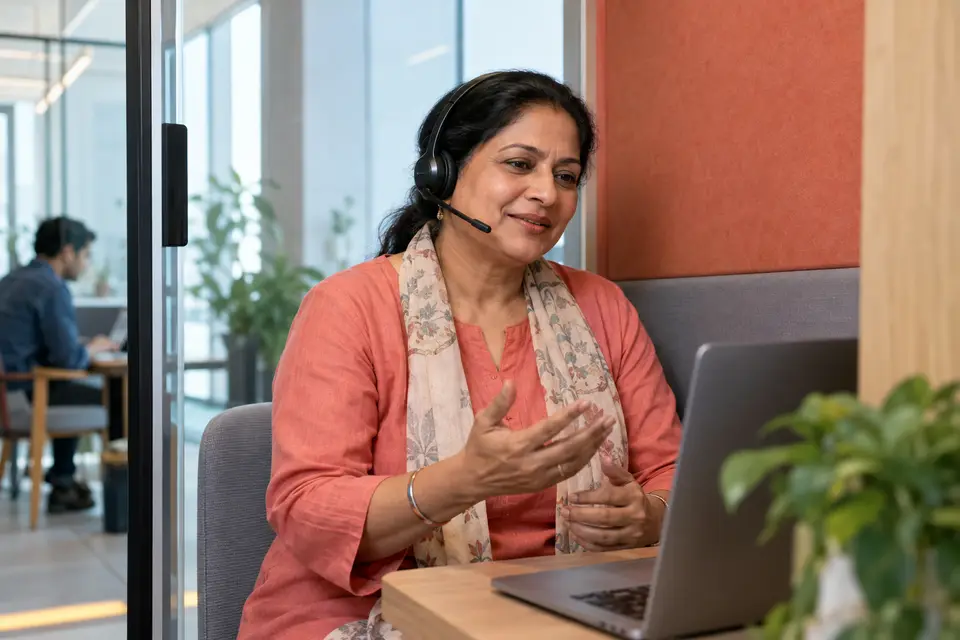
Online therapy uses video, phone, or secure messaging to create that space without the friction of travel or the need to find a local therapist who understands your cultural background. It can be a place to say things you haven’t dared to say, practice new ways of coping, and test small changes.
{{placement:therapy}}
Why expats often look for emotional support
Moving to another country introduces predictable stresses. You might be dealing with visa uncertainty, cultural misunderstandings at work, shifting friendships, or the responsibility of sending money home. These pressures can build slowly until small tasks feel overwhelming.
Picture a teacher from Kerala working in Doha who calls home every Sunday. She balances remittances and long shifts, and keeps loneliness to herself because she doesn’t want to worry her parents. Or imagine an engineer from Bengaluru in Berlin, doing well at work but caught off guard by blunt social styles and long winter nights. He worries that admitting loneliness will appear like weakness. These are ordinary, human experiences.
Seeking help early can prevent stress from becoming a crisis. Online therapy often lowers the threshold for asking for support.
Six benefits of online therapy for expats — how they help in practice
1) Accessibility across time zones and locations
Schedules that don’t fit standard office hours are common for expats. Online therapy can be scheduled around night shifts, family calls, and travel. This flexibility makes it easier to keep appointments even when life is unpredictable, which matters because steady, occasional contact often beats sporadic intense efforts.
Tip: when you contact a clinician, mention your time zone and typical work hours. Many therapists will offer early morning or late evening slots to accommodate different schedules.
2) Continuity of care when you move
Therapeutic progress is cumulative. If you move between cities or countries, continuing with the same therapist or arranging a careful handover to another clinician can preserve gains. That continuity reduces the emotional cost of starting over.
If you anticipate moving, ask about transition plans in your first few sessions: whether your therapist will provide a summary letter, transfer notes with your consent, or recommend local resources.
3) Cultural fit and language choice
Feeling understood is central to therapy. Some therapists offer sessions in regional languages or have experience with specific cultural practices, family dynamics, and migration experiences. Being able to name a festival, a custom, or a family expectation in your own words reduces the energy spent on explanation and speeds collaborative work.
When looking, ask directly: “Have you worked with clients from my region? Do you offer sessions in [language]? How do you approach family or faith issues?” Clear answers are a reasonable expectation.
4) Privacy in crowded living situations
Shared flats, staff quarters, or joint-family homes make finding a confidential space hard. Online therapy lets you pick a moment and place where you can speak more freely — a parked car, a quiet stairwell, or a short walk with a hands-free headset. Therapists can also offer alternative formats such as voice calls or secure messaging if video isn’t possible.
A small practical note: use headphones, mute notifications, and check that your chosen space feels safe for you before starting the session.
5) Practical convenience and cost flexibility
Skipping a commute saves time. Many clinicians offer shorter sessions, flexible payment options, or messaging check-ins that can be more affordable and easier to maintain over time. For people balancing remittances, visa costs, and living expenses, these options can make ongoing support realistic.
Ask about session lengths, payment systems (currency and platform), and whether they provide sliding-scale fees or occasional shorter check-ins.
6) Greater choice and specialist access
Online platforms can expand the pool of clinicians. If you need someone who specialises in acculturation stress, trauma, or relationship work, you may find that specialist more readily online than in a small host-town. That wider choice can help match you with someone whose skills fit your needs.
If you need an in-person assessment, your online therapist should be able to refer you to local services or co-ordinate care where appropriate.
Getting started — practical day-to-day steps
Begin with small decisions rather than a grand commitment. Ask yourself: What do I want from therapy right now? Short-term emotional support? Help with anxiety or sleep? Strategies for family conversations? That clarity will guide your search.
When you contact a therapist, consider this short script you can adapt: “I’m an expat in [city/country], in [time zone]. I’d like support for [main concern]. Do you have experience with clients from [region]? What times do you offer, and what are your fees?”
Try a single session as a pilot. Use headphones, choose a private spot, and tell your housemates you need uninterrupted time. If video feels too exposing, try phone sessions first. Good clinicians will welcome questions about confidentiality, record keeping, and how they handle emergencies.
A quick tech checklist: stable internet or phone signal, charged device, headphones, and a backup plan if the call drops (for example, agreeing to resume by phone). If you share devices, clear browser history or use private browsing when needed.
What usually helps in everyday life (tools and habits)
Therapy is a process, and small, repeatable actions often support it. Regular calls home can be settling, but aim to make them nourishing rather than the only connection you rely on. Build local anchors: a walking group, a weekend market, or a local tea spot where you see the same faces.
Sleep, movement, and small rituals matter. Consistent sleep patterns, short walks, and cooking a familiar dish can stabilise mood. Expect steady rather than dramatic change: tiny actions added together create resilience.
A brief example: Riya, a nurse working abroad, began 15-minute check-ins with her therapist after night shifts. Most sessions were short updates rather than deep dives. Over months, the habit reduced rumination and improved sleep. The change felt small but real.
Practical coping tools that people often find useful include simple breathing exercises, keeping a brief mood log, and setting small social goals (for example, saying hello to neighbours or joining one community event a month). These support therapeutic work; they do not replace it.
Technology, payment and ethics — questions to ask early
Before committing, ask about credentials, therapeutic approach, languages offered, fees, cancellation policy, and whether they hold professional liability insurance or registration in a recognised body. Also ask how they store records and whether the telehealth platform is secure.
If you plan to pay across borders, check currency, bank fees, and receipts for insurance or tax purposes. Be upfront about time zones and what to do if a session needs to be rescheduled.
A good clinician will explain these things clearly and invite your questions. If a therapist avoids these topics or gives vague answers, that itself is a reason to consider someone else.
{{placement:listener}}
Safety: when to seek urgent help
Consider seeking professional support if symptoms persist for more than two weeks and interfere with daily functioning—work, sleep, appetite, or relationships. Seek help if you find yourself withdrawing, using substances to cope, or feeling unable to manage panic or helplessness.
If you are thinking about harming yourself or others, or are in immediate danger, contact local emergency services or a crisis helpline right away. Online therapy can be very helpful, but it does not replace urgent medical or psychiatric care. Early in therapy, ask your clinician how they manage emergencies and what local resources they recommend in your area.
How to choose a therapist and protect your privacy
Look for transparency. A trustworthy clinician will explain their training, licence or registration, areas of speciality, and the limitations of remote work. Ask how they secure notes and whether your sessions are recorded. You have the right to clear answers.
Notice how the clinician responds to your questions. Do they listen? Do they respect boundaries? Red flags include dismissing your concerns, promising quick cures, pushing extra services you didn’t ask for, contacting you outside agreed channels inappropriately, or making you feel shamed. If you feel unsafe, pause and seek another clinician.
If language or cultural fit matters to you, name it early. Asking “Do you have experience with clients from [region]?” is reasonable and helps you find a good match.
How to make social media and digital life kinder to your mental health
Social media can keep you connected to home, but it also creates unfair comparisons. Curate your feed to follow accounts that inform or uplift you. Limit doom-scrolling by setting small time limits and scheduling specific times to check platforms.
Use local community groups and event pages to find real-life meetups rather than relying solely on online contact. Remember: social media is a highlight reel, not the whole story.
Is online counselling effective?
Many people find online counselling helpful for anxiety, depression, and adjustment issues. Its effectiveness often depends on the quality of the therapeutic relationship, the clinician’s skill, and your engagement. For some conditions or crises, in-person assessment, medical oversight, or urgent care may be necessary. If your therapist recommends an in-person referral, take it seriously.
Final reflections — practical compassion for expat life
Living between places asks you to hold more than one life: the life you left, the life you’re building, and the life you hope to create. Therapy won’t erase all difficulties, but it can shift how you respond to them and give you practical tools to live more comfortably.
If stigma, cost, or uncertainty are holding you back, remember that asking for help is an act of care. A single short session can change the shape of a week. Sometimes the bravest step is opening a browser, booking a brief slot, and saying, “Today I need to talk about this.”
This content is educational and not a diagnosis. If you are in immediate danger or in a crisis, seek local emergency help now. Otherwise, consider a trial session with a clinician you can trust—and give yourself permission to take one small step at a time.
{{placement:assessment}}
References
 AI
Book a counsellor, or talk to Aasha
Book a session with a licensed counsellor. Aasha is free if you just need to talk right now.