Top 10 Life Coaches In India
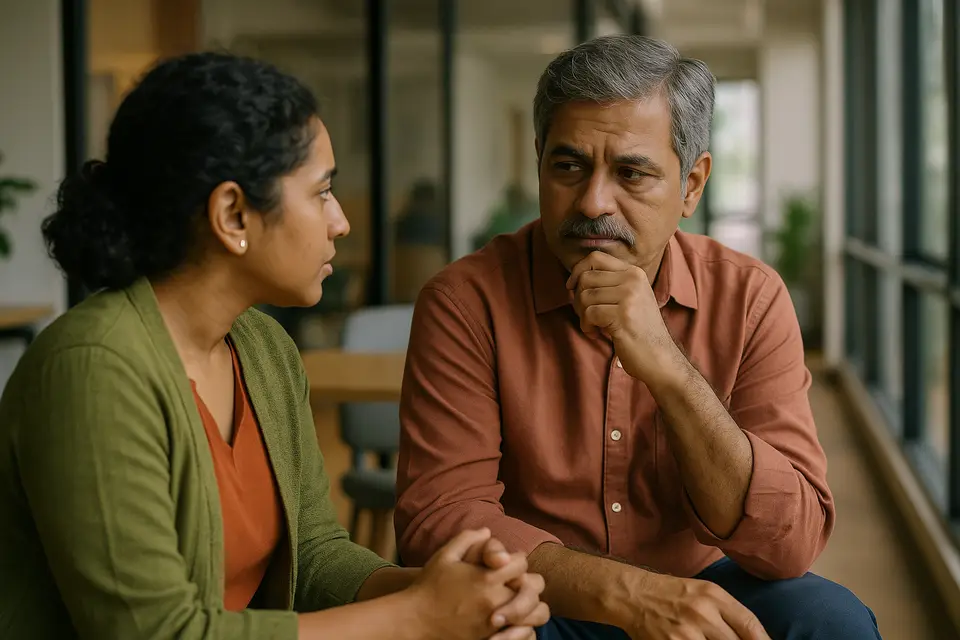
Top 10 Life Coaches In India
A calm, practical guide to finding and understanding the top 10 life coaches in India — focused on what coaching can realistically do, how to choose someone who fits your life, and when to seek mental-health care instead. Feeling stuck, overwhelmed by choices, or unsure where to begin? This guide is meant to be useful and safe: educational rather than diagnostic. It’s written from a clinician’s perspective — grounded, compassionate, and focused on practical next steps.
What “top 10 life coaches in india” usually means
When people search this phrase they are usually looking for a short list of names they can trust, services they can access online or in person, and clear specialties: career transitions, sales and performance, relationships, or time and stress management. In India, coaching often overlaps with motivational speaking, leadership training, career counselling, and sometimes spiritual guidance. That mix can be helpful, but it also means visibility and popularity are not the same as clinical suitability.
“Top” rarely equals one objective measure. For one person it might mean the most visible speaker on social media; for another it means a local coach who understands joint-family expectations or the pressures of a startup in Bengaluru. Keep your context in mind when you evaluate any list.
Why people seek coaching
People come to coaches for many reasons: a young professional unclear about next steps, a manager wanting better team communication, a parent rediscovering identity after a life shift, or a salesperson hoping to sharpen closing skills. Often the need is practical — create routines, build accountability, rehearse difficult conversations, or map a small sequence of steps that leads to visible progress.
Coaching is action-oriented. It tends to focus on here-and-now goals, experiments, and measurable changes. It can reduce overwhelm by breaking big tasks into weekly, achievable actions. It is not, however, a substitute for therapy when emotional pain is deep or longstanding. If symptoms such as persistent low mood, panic, intrusive thoughts, or self-harm are present, professional mental-health care is the safer path.
A simple plan to explore a coach this week
Start with one clear outcome. Be specific: "decide between two job offers by the end of the month" or "create two hours of focused work every weekday without guilt." With that outcome in mind, search for coaches who list similar specialties and read a couple of recent testimonials.
Book a short discovery call (many coaches offer 20–30 minutes). Use that call to test rapport. Do you feel heard? Are their suggestions practical rather than only inspirational? Ask about their format (weekly sessions, homework, mid-week check-ins), how they measure progress, and what the trial period looks like. Consider agreeing to four to six sessions as an initial trial, with a review halfway through.
If family dynamics are central to your goal, ask whether the coach includes occasional joint sessions with family members. If you work in a KPI-driven environment, check whether the coach is comfortable discussing business metrics and measurable outcomes. A trial period helps both parties decide whether the relationship is helpful and sustainable.
What tends to help in real life
Effective coaching usually balances structure and compassion. Small experiments often beat grand declarations. Accountability matters: regular check-ins, brief trackers, and achievable mini-goals build momentum. Clarifying values — distinguishing what you genuinely care about from what others expect — often reduces regret and clarifies choices.
Short micro-stories often illustrate how modest steps change outcomes. In Pune, a software engineer negotiated two protected "deep work" hours, set an auto-status for focused time, and committed to one weekly family dinner. Within weeks she reported less guilt and better sleep. In Chennai, a mid-career professional shifted to consultancy by mapping a three-month client pipeline and rehearsing pitch conversations. A salesperson in Hyderabad improved closing rates through structured role-play and a short daily reflection.
Common techniques that help include rehearsal and role-play for difficult conversations, short experiments to test assumptions, visible progress tracking (simple checklists or brief written summaries), and scheduled accountability. These are practical tools more than magic bullets: consistent application over weeks matters more than a single inspiring session.
Choosing the right fit: what to look for
Specialization matters. A coach who works primarily with entrepreneurs may not be the best fit for someone navigating family expectations. Modality matters too: online coaching can be highly effective if the coach uses shared documents, trackers, and clear between-session tasks.
Credentials can provide useful signals but do not speak for everything. Many coaches hold certifications from bodies such as the ICF or EMCC; others build deep expertise through sustained client work. More important than titles is whether their methods lead to small, measurable changes for people with needs like yours.
Pay attention to practical details: Do they have experience with your issue? Can they describe specific tools or experiments you’ll use between sessions? Are fees, session frequency, and cancellation policies clear? Do they respect confidentiality and professional boundaries? If answers feel vague or evasive, it’s reasonable to continue your search.
When coaching is not enough — safety and boundaries
Coaching focuses on forward movement and goal attainment. It is not designed to treat severe or persistent mental-health conditions. Seek professional help if you experience ongoing low mood, prolonged anxiety, panic attacks, intrusive thoughts, difficulties functioning in daily life, self-harm, or any form of violence or abuse. Consider contacting a mental-health professional, a psychiatrist, or local emergency services if you are in immediate danger.
If coaching brings up painful emotions, consider doing coaching and therapy in parallel: therapy can help with deeper healing while coaching supports practical steps and accountability. Many coaches routinely refer clients to therapists when appropriate. Remember: the information here is educational and not a diagnosis. If you are unsure, checking in with a licensed mental-health professional is a responsible next step.
Widely referenced coaches and speaker-coaches in India (how to read this list)
Below are names frequently mentioned in public conversations about coaching and motivational speaking in India. This list reflects visibility and reach rather than a definitive ranking of quality. Fame and media presence do not guarantee the best fit for any individual, so use these names as starting points for your own vetting.
-
Sandeep Maheshwari — Known for short, practical videos and large-format talks that many young people find accessible for confidence and career clarity. He works at scale through public content and events.
-
Gaur Gopal Das — Combines spiritual reflection with everyday life advice; often chosen by people seeking meaning and relationship perspectives grounded in values.
-
Dr. Vivek Bindra — Focused on business strategy, leadership, and sales performance; frequently engaged by organisations and corporate teams for performance improvement.
-
Simerjeet Singh — A motivational speaker who works with professionals and corporate audiences on productivity and leadership.
-
Shiv Khera — A long-established speaker and author whose material emphasizes attitudes, leadership principles, and personal effectiveness.
-
Robin Sharma — An internationally known author and coach of Indian origin who offers leadership programs aimed at high performers; his work tends to be principle-driven and structured.
-
Srikumar Rao — Known for workshops that blend philosophy with practical exercises around resilience, creativity, and career transitions.
-
Kaushik Mahapatra — A trainer and coach listed in Indian directories for life coaching and soft-skills development.
-
Regional and city-based coaches — Many effective practitioners operate locally in cities such as Mumbai, Delhi, Bengaluru, Pune, Chennai, and Hyderabad. These coaches often have detailed knowledge of local cultural dynamics and workplace contexts.
-
Accredited coaches within ICF/EMCC networks — Numerous highly capable coaches work online and are certified by national or international coaching bodies. They may not be household names but can provide tailored, evidence-informed support.
How to interpret this list: some figures are large-scale speakers who deliver programs and online courses; others focus on business coaching or spiritual guidance. The right coach for you is the one whose methods, availability, language, and fees align with your goals.
Online coaching in India — what to expect
Online coaching is well established across India. Sessions commonly use Zoom, Google Meet, or other video platforms, and often include shared documents, trackers, and brief between-session check-ins. Online work can broaden your choices beyond major cities and is particularly useful for shift workers, students, and busy professionals. Look for clear agendas, homework or trackers, and a defined way to measure progress.
Useful questions to ask on a discovery call
You can keep the discovery call simple and focused. Ask: What outcomes have you helped clients like me achieve? Can you give one brief example of a method you would use with me? How will progress be measured and reviewed? What happens at the end of the trial period if I don’t see progress? Practical answers and specific next steps are better signals than only inspirational talk.
A brief, practical prompt to try now
What’s one small change that would make tomorrow easier? Try choosing one single, achievable action — a 15-minute conversation, a short experiment, or a boundary you commit to for a week. If you work with a coach, look for someone who helps you translate that small action into a repeated habit.
Final note: this guide is educational and not a substitute for professional mental-health care. If you are in crisis or experiencing severe symptoms, please reach out to local emergency services or a qualified mental-health professional.
Get urgent support now
If safety is a concern, seek immediate professional help and use one of these options:
More support options are available at the end of this article.
References
 AI
AIBook a counsellor, or talk to Aasha
First session from ₹499 with a licensed counsellor. Aasha is free if you just need to talk right now.