Free Online Counselling Chat 24/7 in India — A Therapist-Informed Guide
 AI
AITalk to Aasha — free
Change this if you want — or send as-is. After a quick sign-in, it waits in Aasha for you to send.
New here? A quick sign-in, then this message waits in Aasha for you to send.
Or get matched to a counsellor (2 min)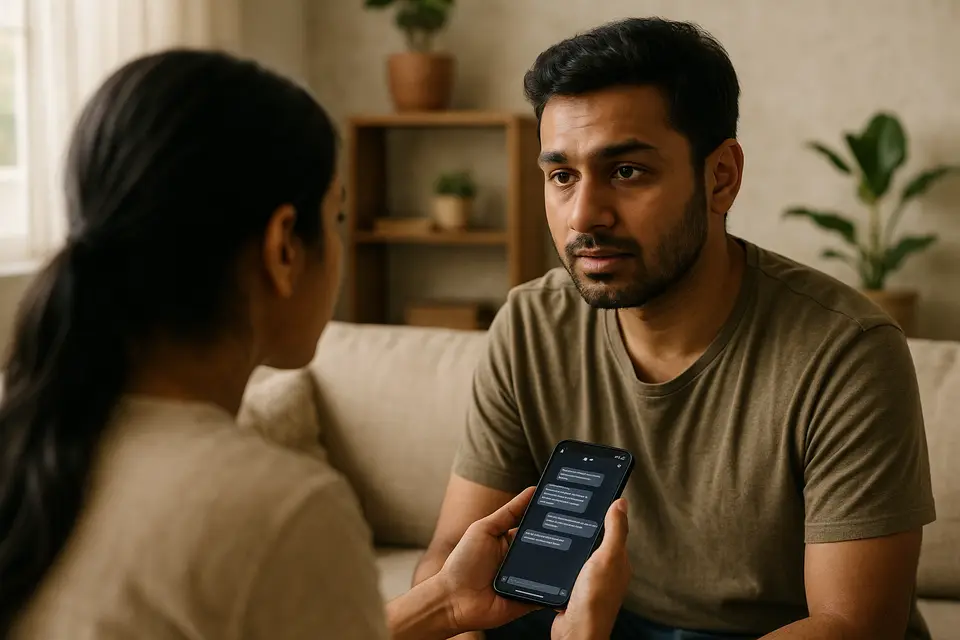
Free Online Counselling Chat 24 7 India
A therapist-informed guide to free online counselling chat 24/7 in India, with practical signs, coping tools, and clear guidance on when to seek more structured help. This is educational material—not a diagnosis or a substitute for professional assessment. If you are in immediate danger, contact local emergency services right away.
People often need someone to listen at odd hours: a panic spell on a crowded train, a sleepless night before exams, or the sudden loneliness that hits late in the night. In those moments, a free, around-the-clock chat can be a lifeline. This guide describes what such services typically offer in India, what they can help with, and how to use them safely and effectively.
What "free online counselling chat 24/7" usually means
When you search for free 24/7 counselling chat in India, the results usually point to a few types of services. First, peer-support platforms connect you with trained volunteers or listeners who offer empathetic, non-judgemental listening and short-term de-escalation. These are often anonymous and can be available at any hour. Second, some NGOs, university counselling centres, and community groups operate helplines or chat windows; their hours can vary, but many offer round-the-clock crisis support. Third, government or public-health initiatives sometimes provide tele-counselling and referral pathways that combine chat, phone lines, and links to in-person care.
These services typically excel at immediate needs: calming panic, helping you make a short safety plan, or listening through overwhelming emotions. They may not provide long-term, scheduled therapy for complex or chronic mental health conditions. For ongoing treatment—therapy that explores patterns, interpersonal difficulties, or trauma—you may need referral to a counsellor, psychologist, or psychiatrist, some of which may be subsidised through public programmes or offered at reduced cost by NGOs and university clinics.
When a 24/7 chat can help
You do not need a clinical label to reach out. People use chat services for many reasons: sudden panic, intense loneliness, anxiety that prevents sleep, or a strong emotional reaction after a difficult conversation. Sometimes the simple goal is to have an ear and not be alone.
Physical signals often accompany emotional distress. A tight chest, trembling, dizziness, nausea, or difficulty breathing can feel terrifying. Cognitive signs—ruminating, racing negative thoughts, trouble concentrating—also indicate a moment when support may be useful. Behavioural changes such as withdrawing from friends, missing work or classes, or increasing alcohol or drug use are further reasons to connect with someone.
If you find yourself wondering, "Is this serious enough?" that question alone is a good reason to reach out. A brief conversation can help you gauge your current risk and plan next steps.
Immediate safety: when chat is not enough
A chat can be part of a safety plan, but there are times when in-person or urgent medical attention is necessary. Seek immediate professional help if you have persistent thoughts of ending your life, a specific plan, or access to means. Also consider urgent care if daily functioning is severely impaired—if you cannot manage basic self-care, are unable to work or attend classes, are experiencing hallucinations or disconnection from reality, or if substance use is escalating and harming your safety or relationships.
If you feel suicidal or are worried you might act on a plan, say so clearly to the person you contact. Ask for help finding a nearby emergency department, crisis centre, or mental health team. If you are unsure where to go, a 24/7 chat or helpline can help you find local resources and assist in creating an immediate safety strategy.
Quick grounding and coping tools you can use right now
When emotions spike, small practical steps often work better than complex techniques. Try simple grounding: look around and name a few things you can see, touch, or hear to bring attention back to the present. Slow, controlled breathing—such as inhaling for a count of four, holding briefly, and exhaling twice as long—can calm the nervous system. Carrying a small object with a familiar texture or scent, or doing a brief walk around the room, helps interrupt rumination.
You can also label the feeling in one sentence: "I’m feeling really scared right now." Naming emotions creates a little distance and often reduces intensity. These strategies are short-term tools: useful in the moment and helpful to tell your chat listener what’s already helped or not.
What often helps beyond a single chat
A one-off conversation can ease immediate distress, but sustained improvement usually builds from multiple approaches. Regular psychotherapy—cognitive behavioural techniques, interpersonal work, problem-solving strategies or trauma-focused therapies—can reduce symptoms over weeks and months. For some people, a psychiatrist’s assessment and medication may form part of a broader plan for moderate-to-severe conditions. Chat services and helplines frequently provide referrals to low-cost clinics, university counselling centres, or government mental health programmes.
Recovery is often supported by stabilising routines: regular sleep, balanced meals, daily movement and social contact. Support groups—whether organised through colleges, workplaces, faith communities or NGOs—can reduce isolation and provide practical coping ideas. In India’s varied family contexts, a trusted relative can be a source of support, but think carefully about safety and confidentiality before sharing personal details.
A short example: Arjun, a software engineer, had panic attacks before presentations. A late-night chat helped him through a particularly hard episode. The helpline linked him to his employer’s Employee Assistance Programme, and over months of therapy and gradual exposure to public speaking, his panic lessened. Another example: Meera, a student worried about exams, found anonymous peer support late at night; that chat helped her seek her school counsellor and arrange short study breaks.
Choosing and using a chat service safely
Not every platform offers the same level of support. Before you share personal details, check whether the service provides peer listening, trained counsellors, or direct referral to clinical care. Read the privacy information to understand whether conversations are anonymised, stored, or reviewed for training and supervision. Decide in advance what you are comfortable sharing and use language that protects your identity if anonymity matters to you.
Language and cultural fit matter. Pick services that operate in the language you prefer and that understand local family and community norms. Ask whether the service can connect you with in-person care if needed. If you are at risk, work with the responder to build a safety plan: identify who can be contacted, steps to reduce access to means of harm, and places you can go that feel safer.
Where to look in India for free 24/7 chat support
Start with trusted channels. Government and state health department websites often list national and state helplines and tele-counselling initiatives. Universities and colleges commonly run counselling centres that may offer helplines or online chat for students. Reputable NGOs also run listening services and can link you to local clinics and support groups. Some international peer-support platforms operate in India and provide anonymous, immediate listening, but they are not substitutes for professional care when that is needed.
If you are unsure where to begin, search phrases such as "national mental health helpline India," "free counselling helpline [your state or city]," or "tele-counselling [your city]." Including your city or state—Mumbai, Chennai, Kerala, Delhi, etc.—helps you find services that can provide in-person follow-up.
Practical steps if you need help right now
If you are in immediate danger, contact emergency services. If you are safe but distressed, use a 24/7 chat or helpline while making a short plan: be honest about your level of distress; if you are having suicidal thoughts, say so directly. Ask the responder for referrals to crisis centres, nearby mental health clinics, or hospitals. Make a brief safety plan that includes removing or securing means of harm if possible, identifying a trusted person who can be with you or contact you soon, and choosing a safe place you can go.
Deciding whether to use voice or text can matter. Some people find speaking easier; others prefer text because it feels less exposing. Choose the mode that feels safest for you.
A few realistic expectations
A free chat will usually offer immediate emotional support, practical de-escalation, and referrals. It may not provide long-term therapy or psychiatric care. If ongoing treatment is needed, ask about referrals to low-cost, subsidised, or sliding-scale services—many helplines keep lists of local clinics, university services, and government programmes.
Keep in mind that volunteer listeners and supervised counsellors are helpful in crisis, but managing complex mental health needs often requires scheduled sessions with trained professionals. That’s okay: reaching out to a 24/7 chat can be the first step toward longer-term help.
Final note — you do not have to manage this alone
Reaching out is practical and often brave. Small steps—sending a message, making a short safety plan, or talking with a listener tonight—can change the course of a hard few hours. People and services across India are available to listen and to help you find the next step.
If you are in immediate danger, contact local emergency services right away. Otherwise, consider a 24/7 chat or helpline for immediate support and ask the responder for follow-up options in your area.
Get urgent support now
If safety is a concern, seek immediate professional help and use one of these options:
More support options are available at the end of this article.
Frequently asked questions (see FAQ items below for concise answers)
(Note: the FAQ below repeats and expands on key points from this guide.)
References
Take the Next Step
Related Reading
Ready to talk to a real counsellor?
First session from ₹499. Or chat free with Aasha if you just need to talk.